β--PPH soustředný flexibilní konektor s přírubou
Specifikace produktu: DN25 (D32), DN32 (D40), DN40 (D50), DN50 (D63), DN65 (D...

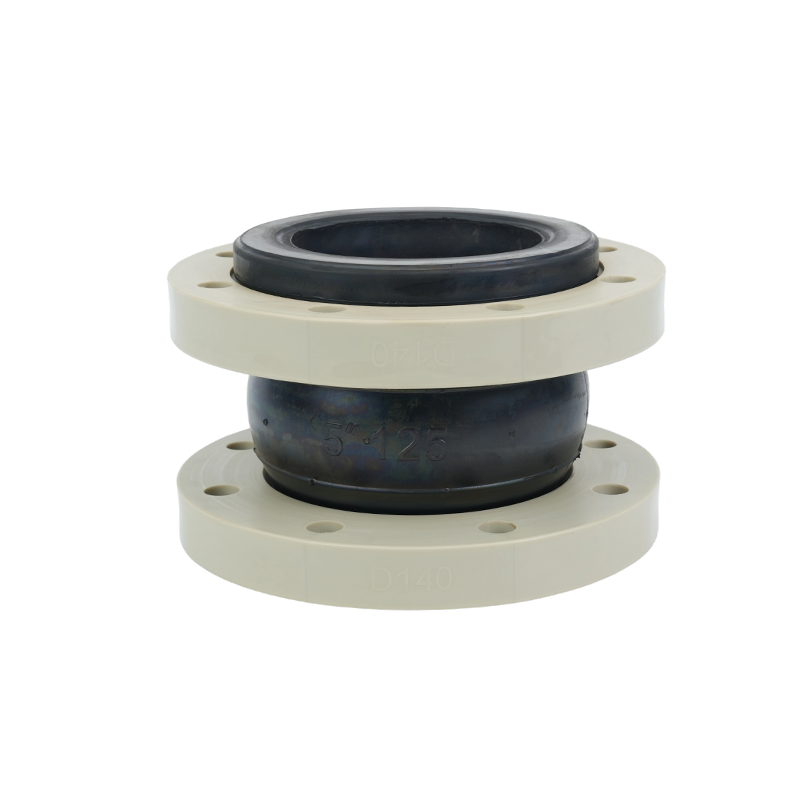
Specifikace produktu: DN25 (D32), DN32 (D40), DN40 (D50), DN50 (D63), DN65 (D...
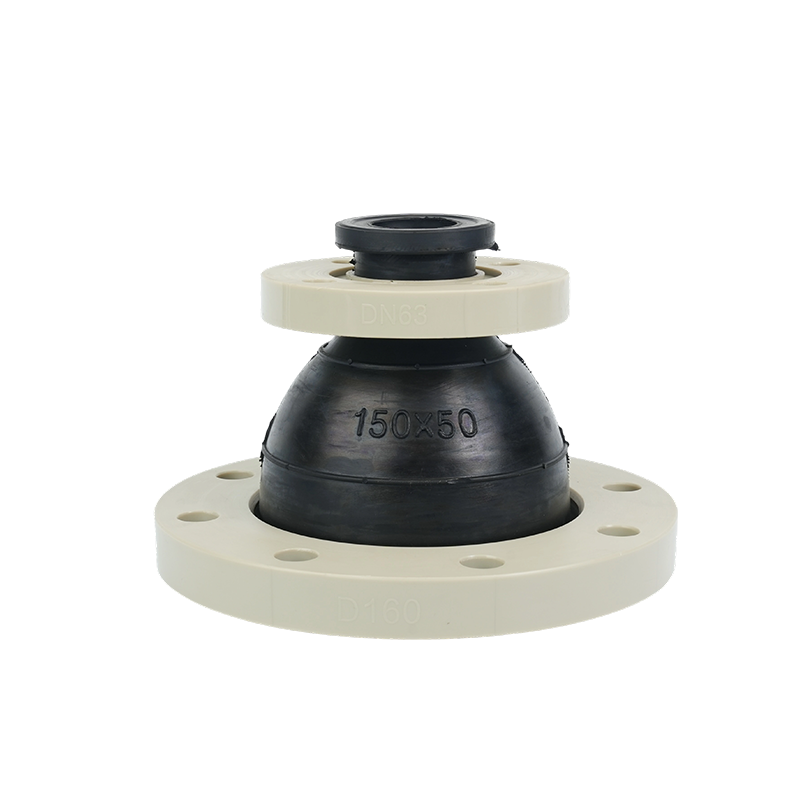
Specifikace produktu: D40*32, D50*32, D50*40, D63*32, D63*40, D63*50, D75*40,...
Odstávková četa v chemické továrně měla před restartem jeden úkol: vyměnit netěsné těsnění na ventilu dvanáct metrů uvnitř plně svařovaného potrubí PPH. Přeříznutí trubky znamenalo novou cívku, nový svar, čekání na chlazení a druhou tlakovou zkoušku, čtyři hodiny navíc podle plánu, aniž by byla žádná rezerva. Jed...
Zobrazit víceNákup plastového kulového ventilu dotazem "prodáváte je?" je to, jak projekty nakonec platí dvakrát. To, co ve skutečnosti rozhoduje o tom, zda plastový kulový ventil běží tiše po dobu pěti let nebo selže hned v prvním, je materiál tělesa, elastomer těsnění a způsob připojení tělesa ventilu k potrubí – nikoli jed...
Zobrazit víceDva montéři, jedna cívka po 2 v PVDF trubce a přepravka přírubových adaptérů DN 50. Vše dorazí podle plánu a nic nesedí: trubka měří vně 60,3 mm, zatímco adaptér je opracován pro vnější průměr 50 mm. Ani jeden štítek není špatný. Díly jednoduše patří do dvou různých systémů velikosti a IPS je ten, který zachytí v...
Zobrazit více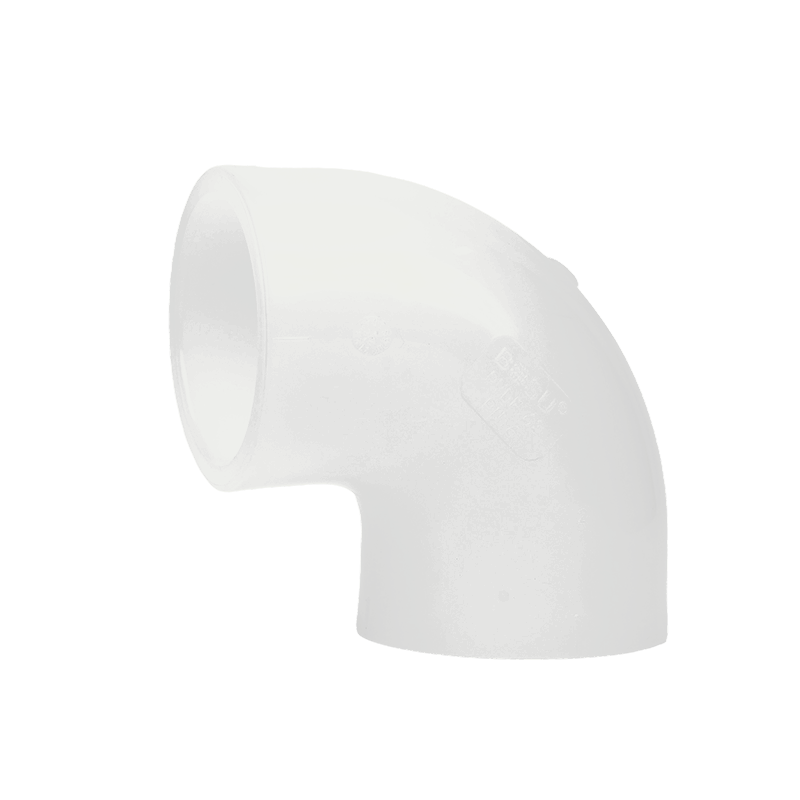
Specifikace produktu: DN15 (D20), DN20 (D25), DN25 (D32), DN32 (D40), DN40 (D...
Zobrazit více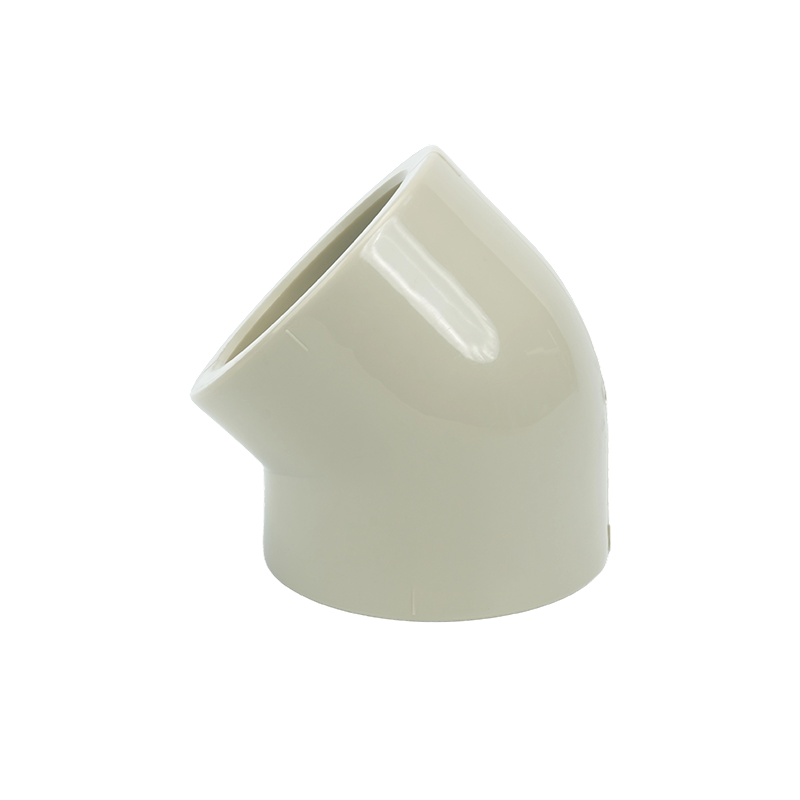
1. Používá se pro připojení potrubí v ohybu a změnu směru proudění, což také ...
Zobrazit více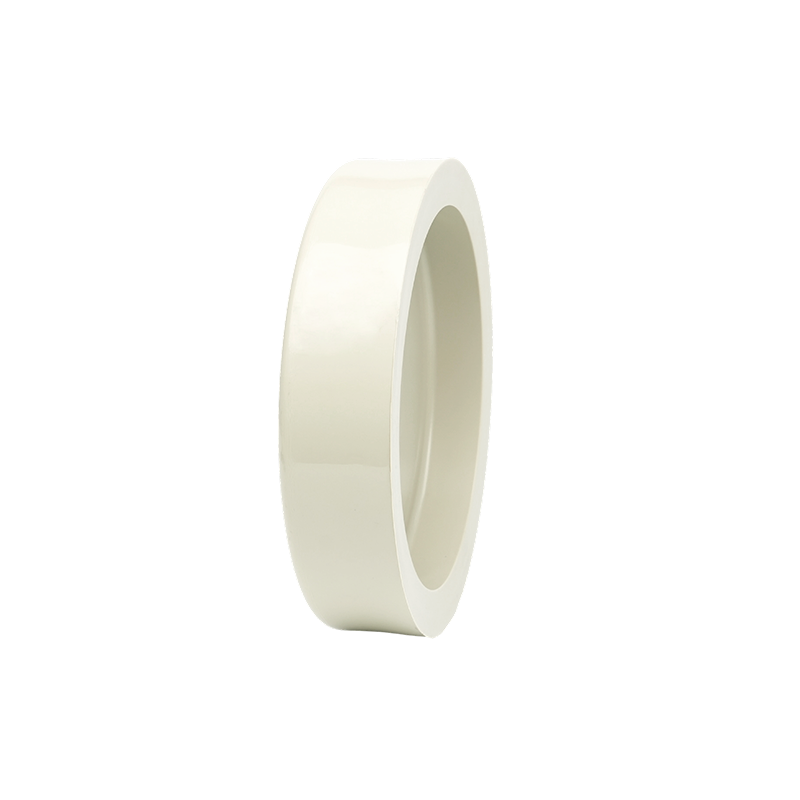
1. Kromě základní uzavírací funkce lze víčko potrubí použít také pro údržbu a...
Zobrazit více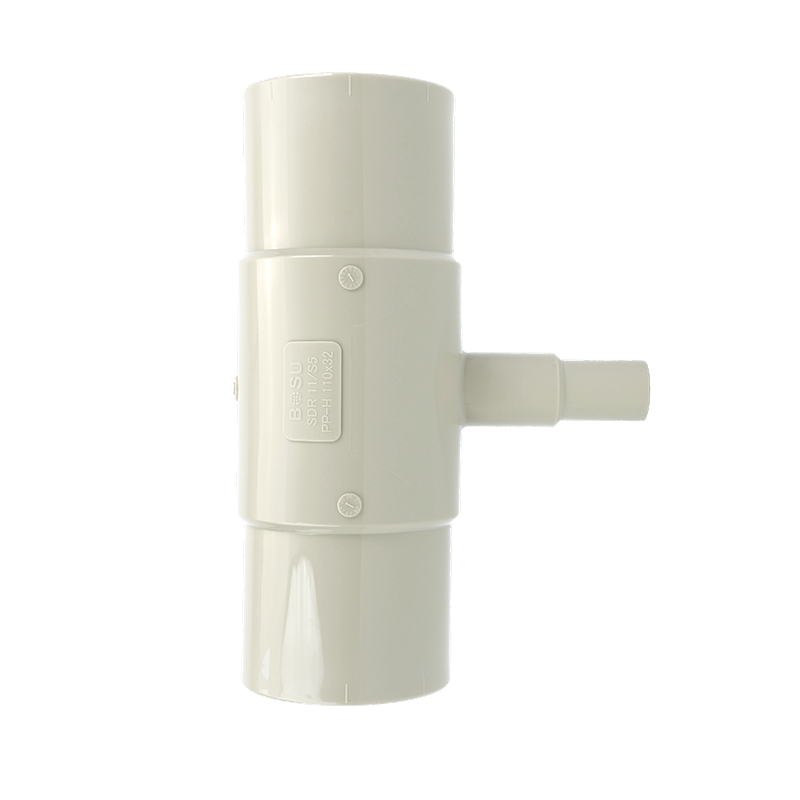
1. Tyto tvarovky jsou navrženy pro prodloužení potrubí a mají dva identické p...
Zobrazit více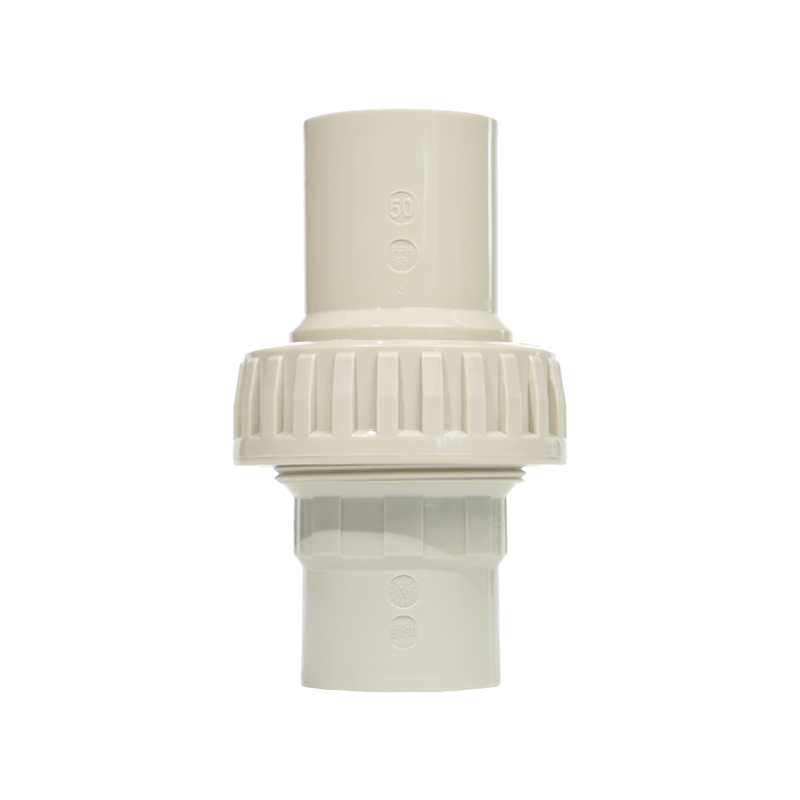
Tato spojka se používá pro připojení potrubí do potrubního systému. Specif...
Zobrazit více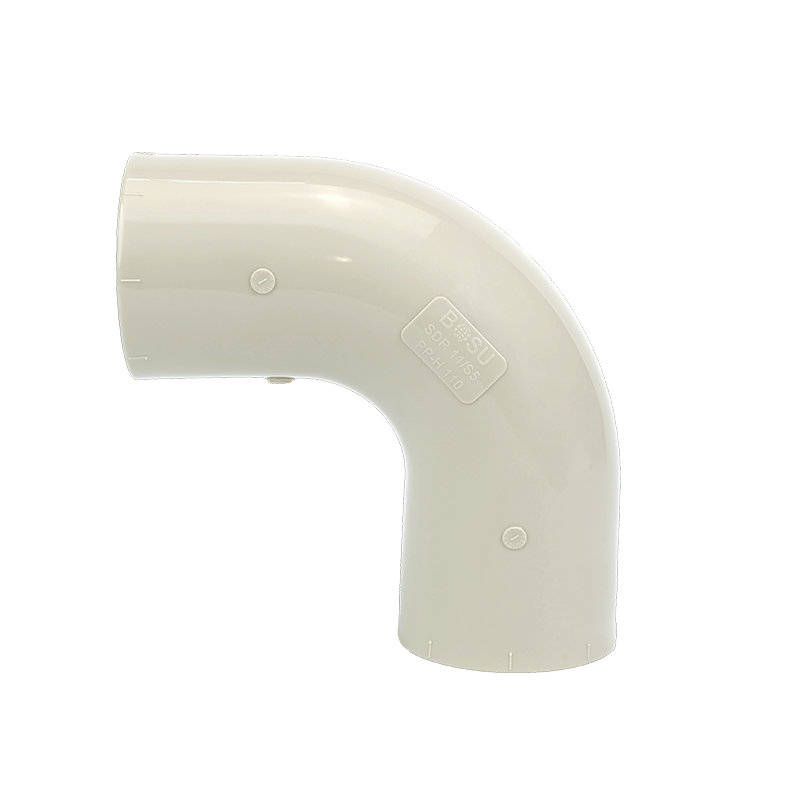
1. Působení vodního rázu je sníženo, s větším průtokem, větším tlakem a rychl...
Zobrazit víceWhat is Flange Softening?
1. Flange softening refers to the gradual decrease in hardness and strength of the flange material at the flange connection due to long-term pressure, temperature cycling, or media corrosion, causing the sealing surface to lose its original elasticity and tightening performance.
2. Softening can cause flange deformation and reduced bolt preload, leading to leakage or failure, especially in pipeline systems operating under high pressure, strong corrosion, or high temperature conditions.
3. In practical engineering, softening often manifests as loose flange bolts, deeper indentations on gaskets, or the appearance of micro-cracks; these are all signals requiring timely detection and maintenance.
How to reduce the risk of Flange Softening through material selection or process control?
1. Select softening-resistant materials
Using high-strength alloy steel or corrosion-resistant stainless steel flanges can significantly improve softening resistance.
For special media (such as acids, alkalis, and seawater), titanium alloy or nickel-based alloy flanges can be used to resist softening caused by chemical corrosion.
2. Optimize Heat Treatment Process
By using heat treatments such as normalizing, tempering, or quenching, the hardness and toughness of the material are improved, reducing the tendency to soften under high-temperature cycling.
Adding a residual stress relief process during flange production ensures that the flange achieves a uniform internal stress distribution before use.
3. Surface Protection and Anti-corrosion Coating
Spraying anti-corrosion paint, thermal spraying galvanizing, or ceramic coatings on the flange surface effectively prevents the media from corroding the metal substrate.
For pipeline systems requiring long-term operation, regular surface inspection and recoating are necessary to maintain the integrity of the protective layer.
4. Rational Design of Bolt Preload and Stiffness
Using high-strength bolts and calculating the preload according to standards ensures that the flange maintains sufficient clamping force under working pressure.
Adding reinforcing ribs or rigid supports to large-diameter or high-pressure flanges reduces the elastic deformation of the flange body.
Produkty
Informace o společnosti
Adresa: č. 55 Haichuan Road, High-Tech Zone, Dongtai City, provincie Jiangsu, Čína
Mobil: +86 137 7009 5258
Tel: +86-515-85479999
E-mail: [email protected]
Rádi bychom slyšeli váš názor!
