β-Pph vnitřní zub, přímé tavné hrdlo, 1,0 mpa
1. Rychlá a spolehlivá instalace, pohodlná a časově úsporná; hladké vnitřní a...

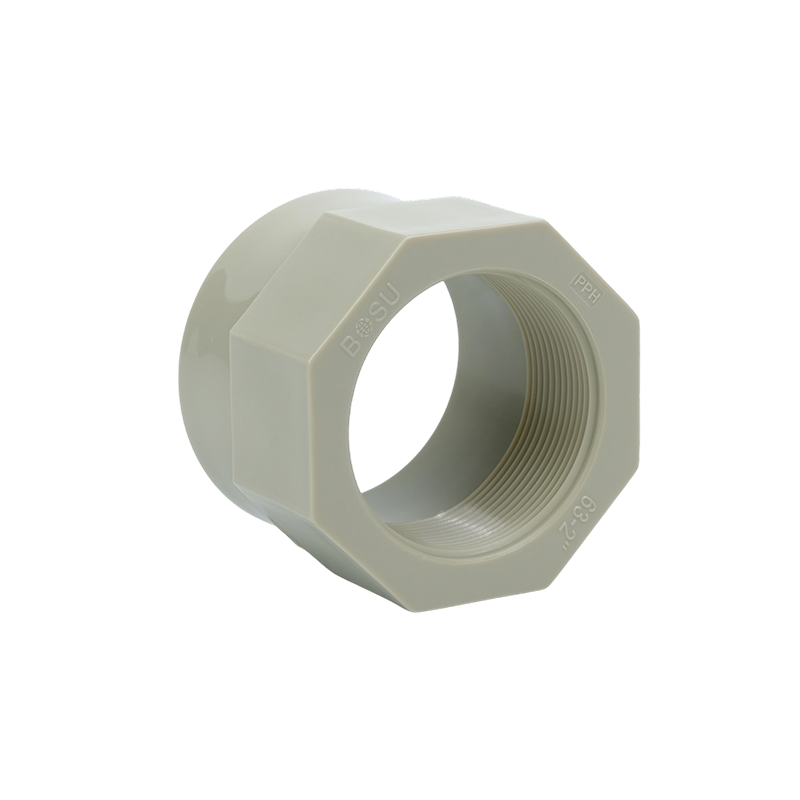
1. Rychlá a spolehlivá instalace, pohodlná a časově úsporná; hladké vnitřní a...
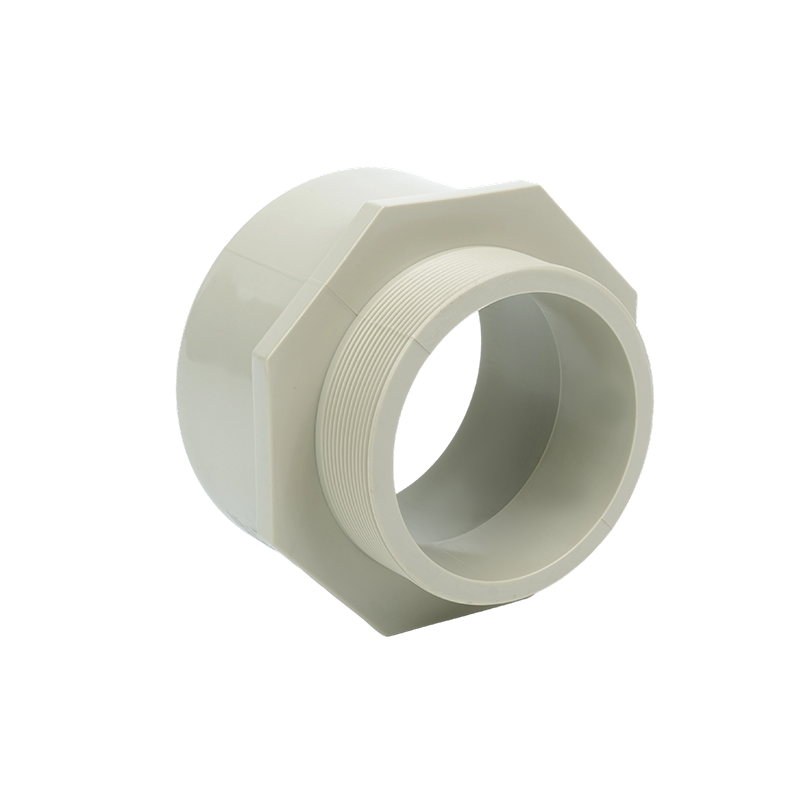
1. Snadná obsluha, spolehlivé připojení, vysoká tlaková odolnost, dobré těsně...
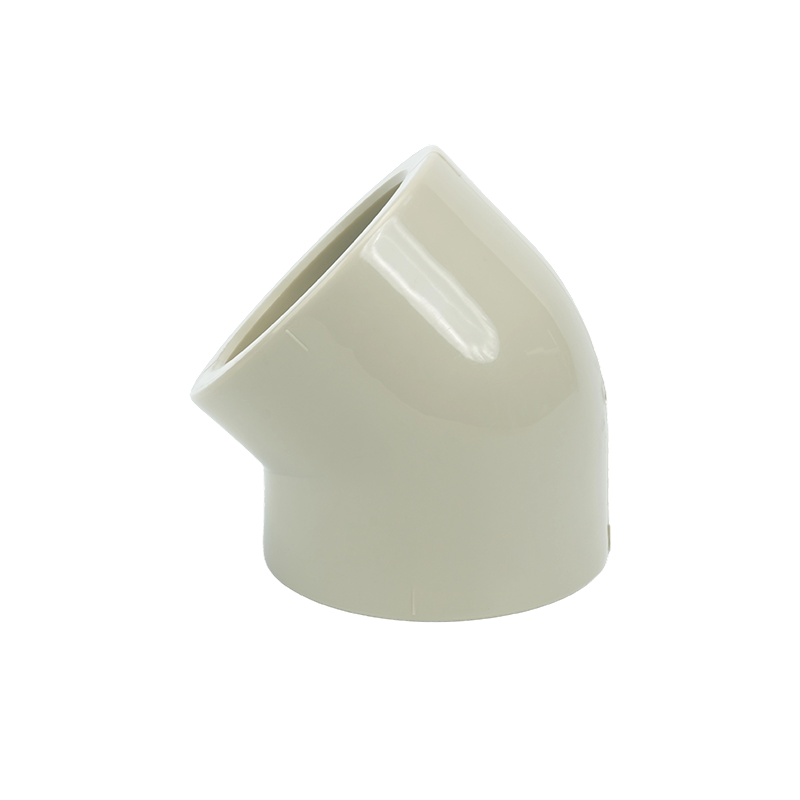
1. Používá se pro připojení potrubí v ohybu a změnu směru proudění, což také ...
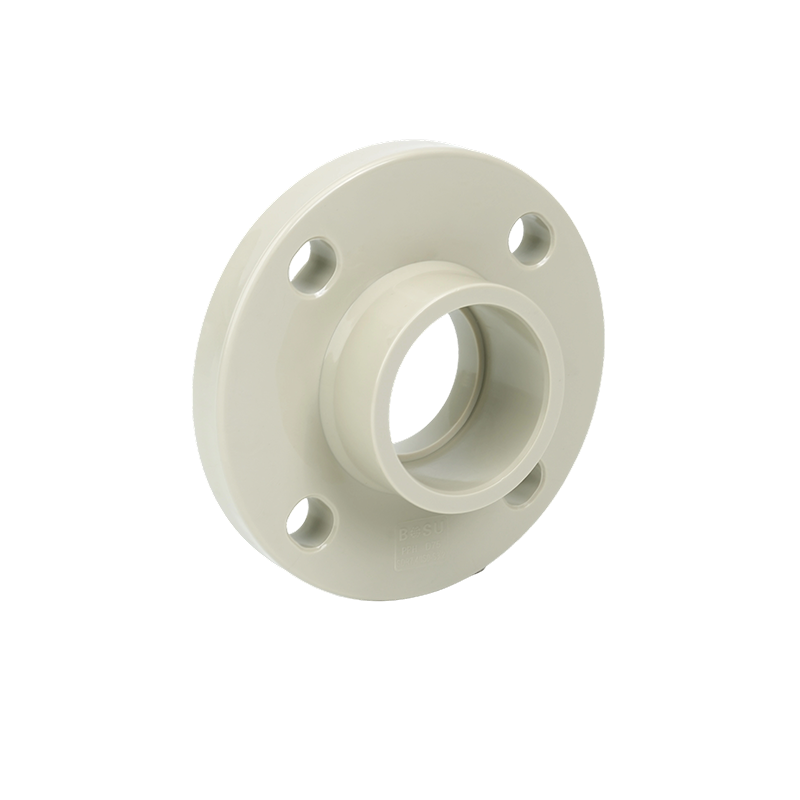
Vlastnosti produktu: Tyto tvarovky se snadno instalují a používají se v...
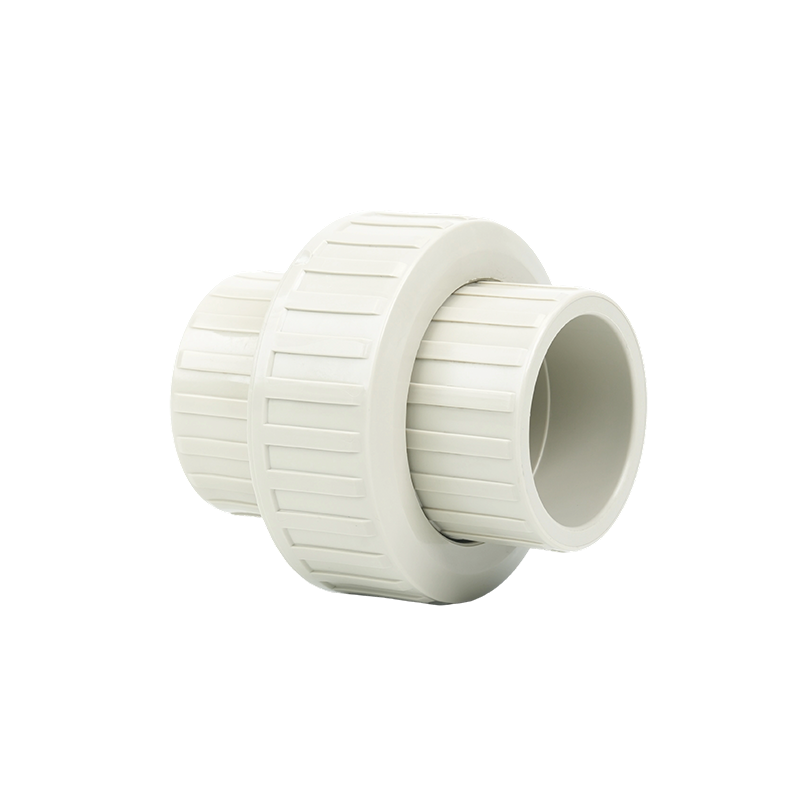
Tato tvarovka je určena pro připojení potrubí do potrubního systému. Je vhodn...
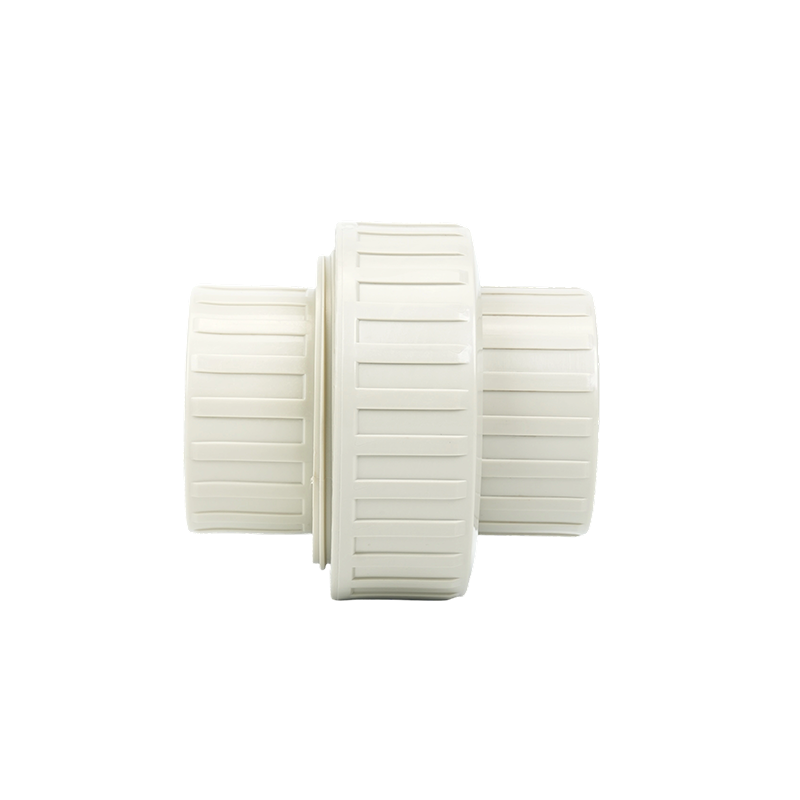
Popis: Určeno pro připojení k potrubí se závitovými konci. Těsnící kroužek EP...
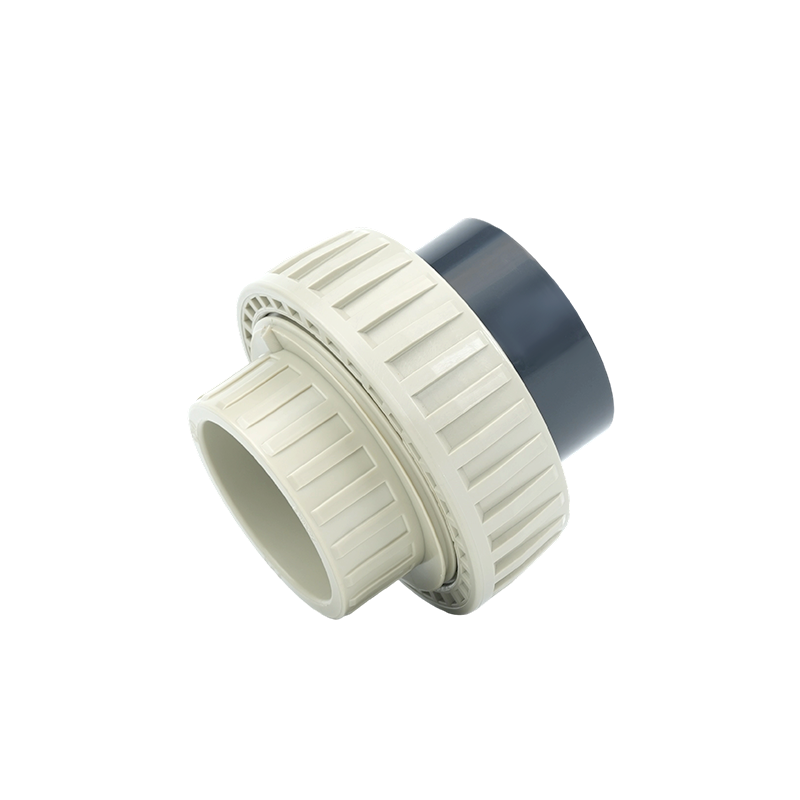
Popis: Tato termoplastická spojka spojuje trubky do kompletního potrubního sy...
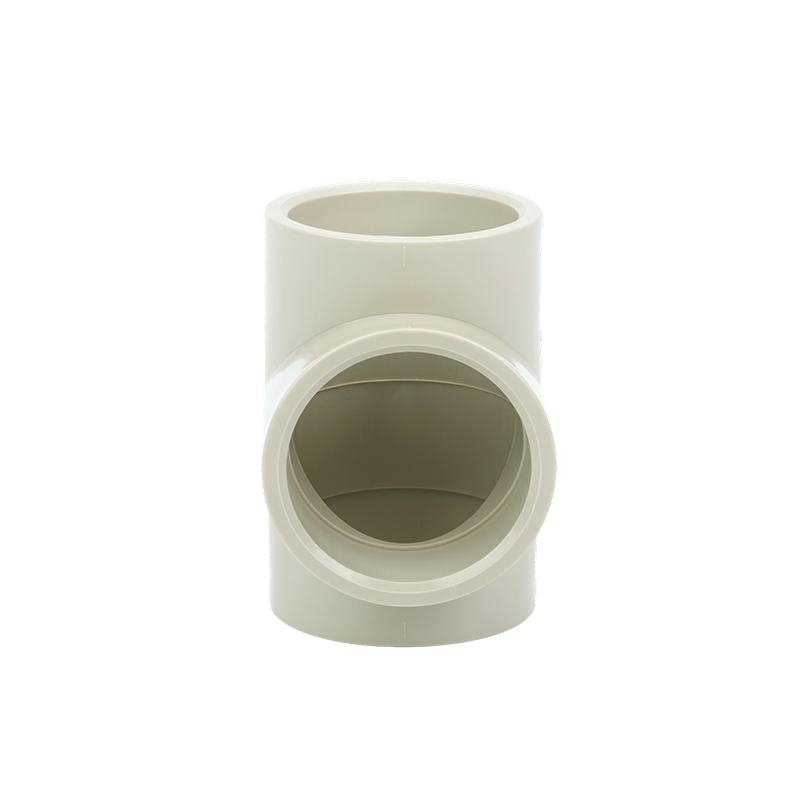
1. Patří k jednomu z potrubních spojů používaných na odbočce hlavního potrubí...
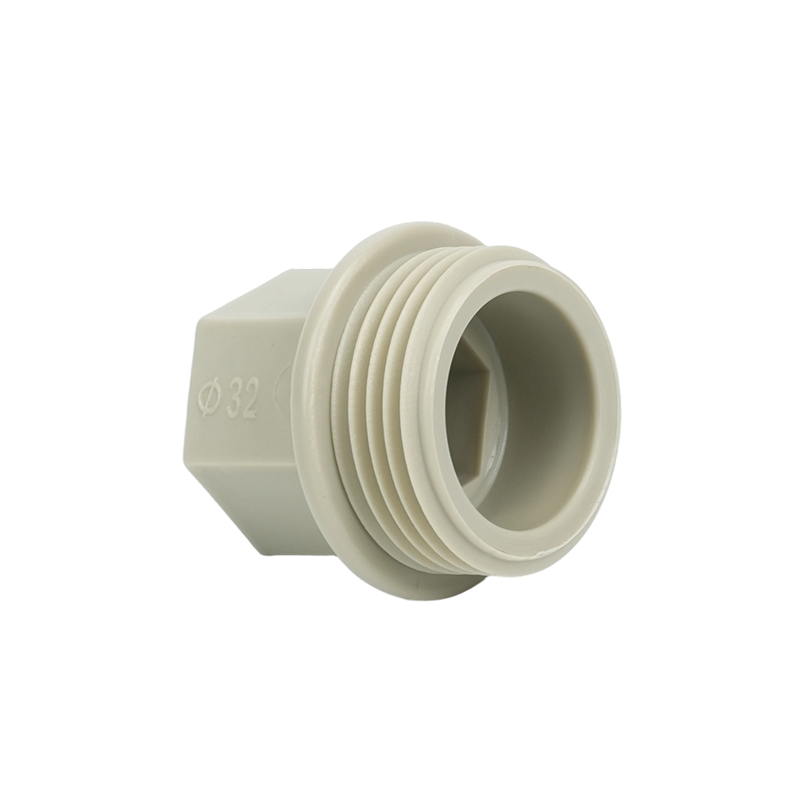
1. Odolná, antikorozní, nízká hmotnost, funguje jako uzavřené potrubí, snadná...
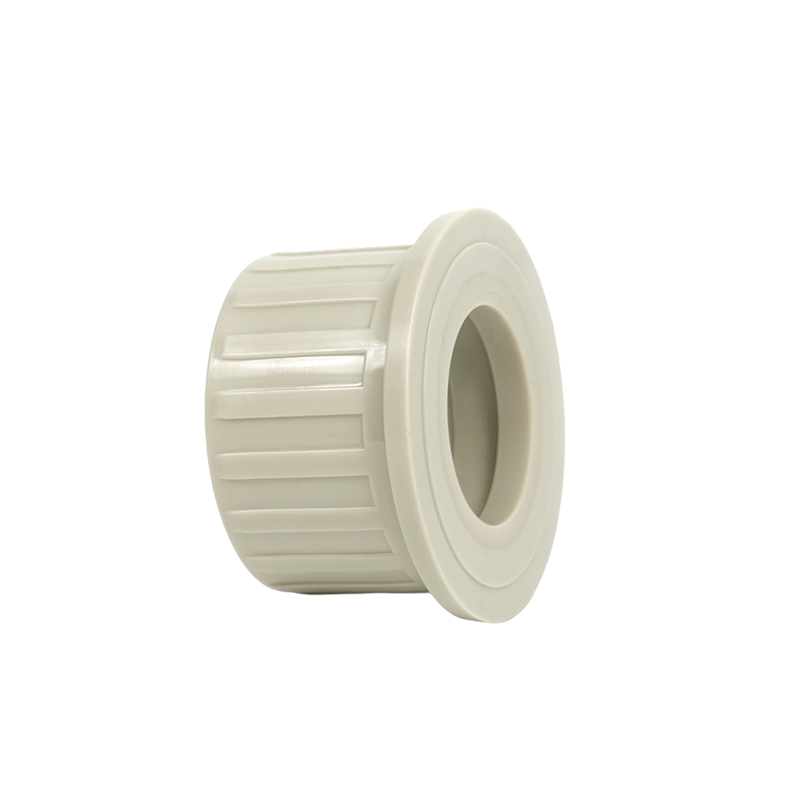
1. Odolná, antikorozní, nízká hmotnost, funguje jako uzavřené potrubí, snadná...
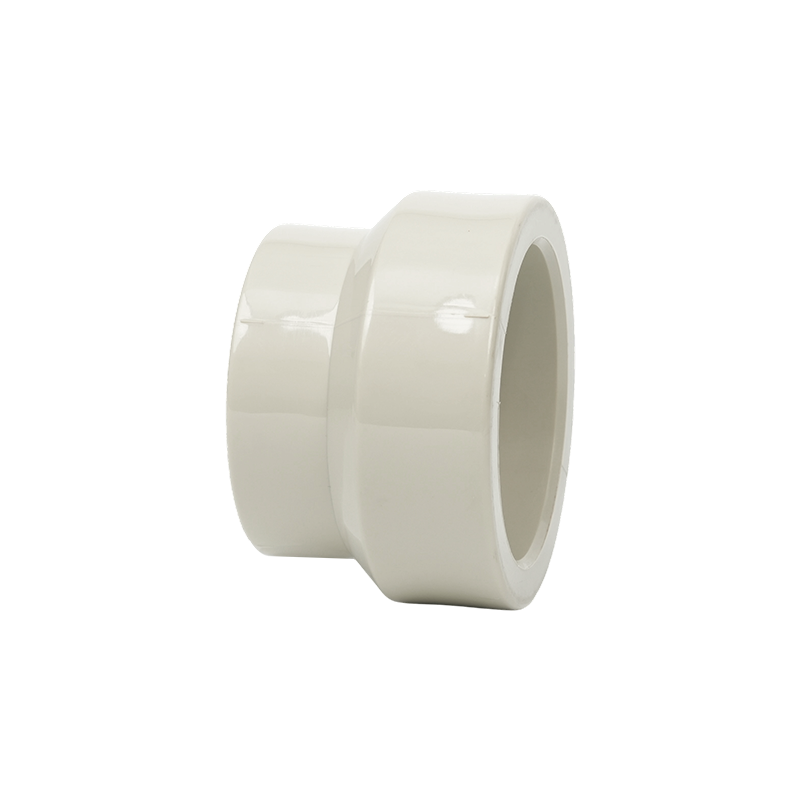
Tato armatura je navržena tak, aby omezila rušení proudění při přechodech ...
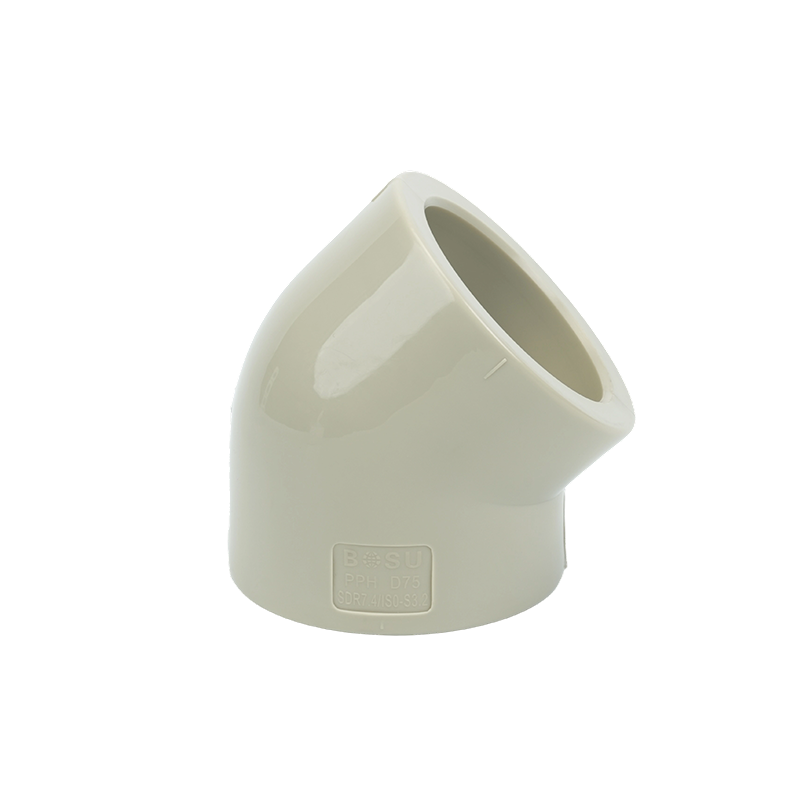
1. Tato tvarovka se používá ke změně směru potrubí pod úhlem 45 stupňů. Je...

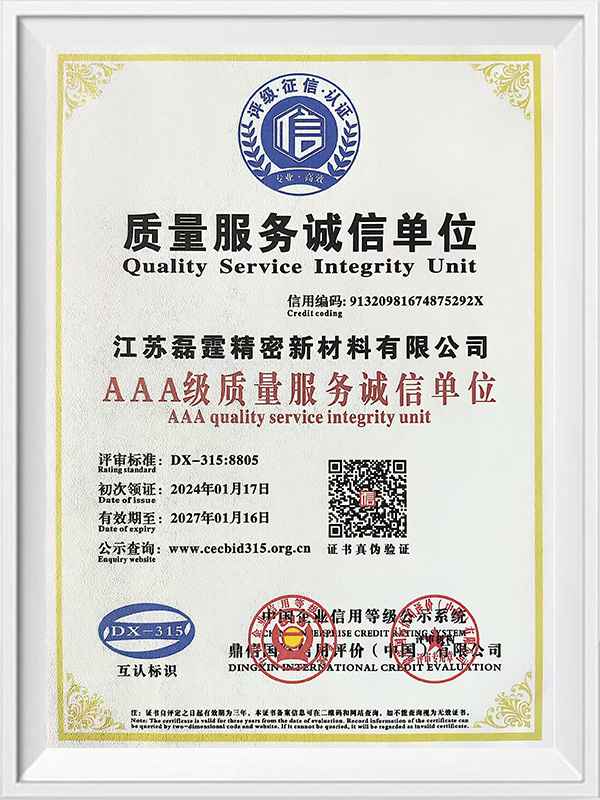
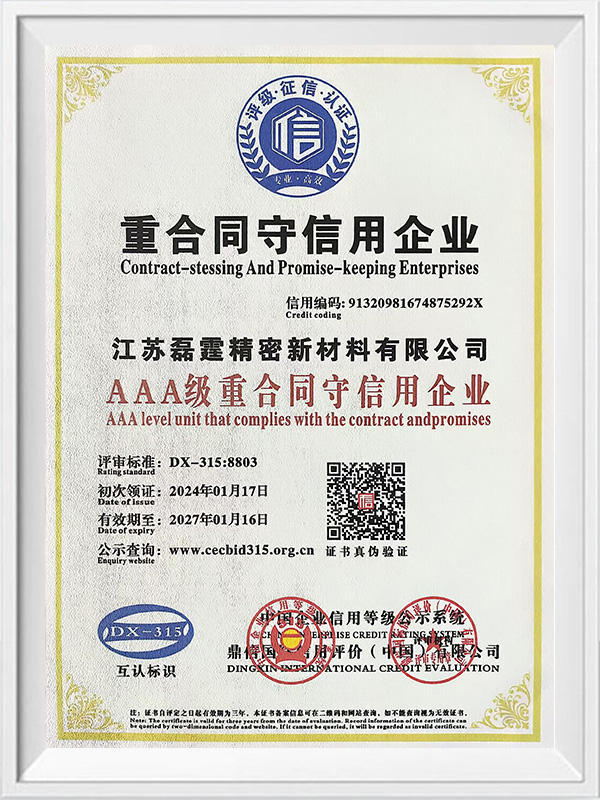
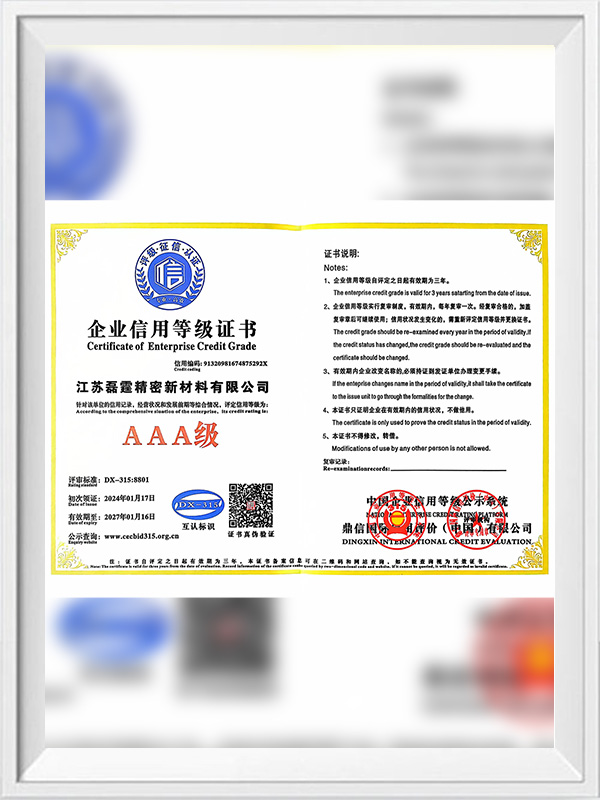
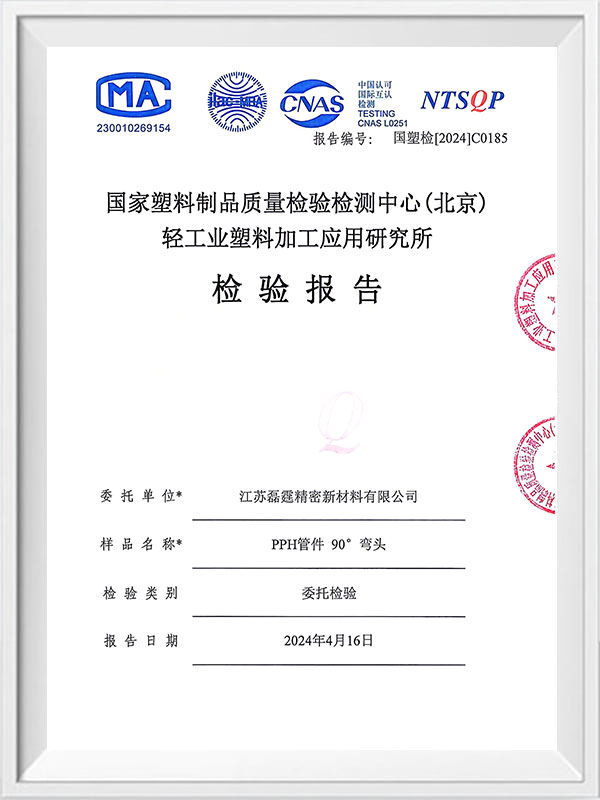
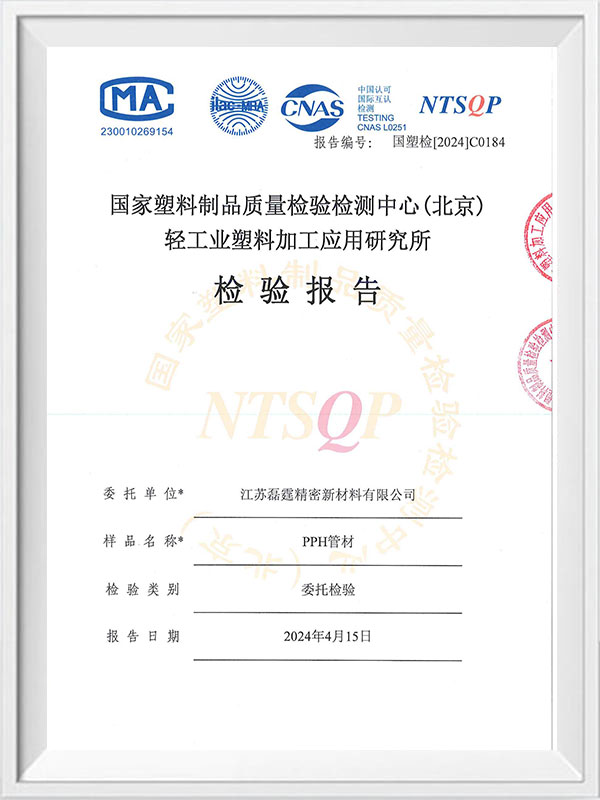
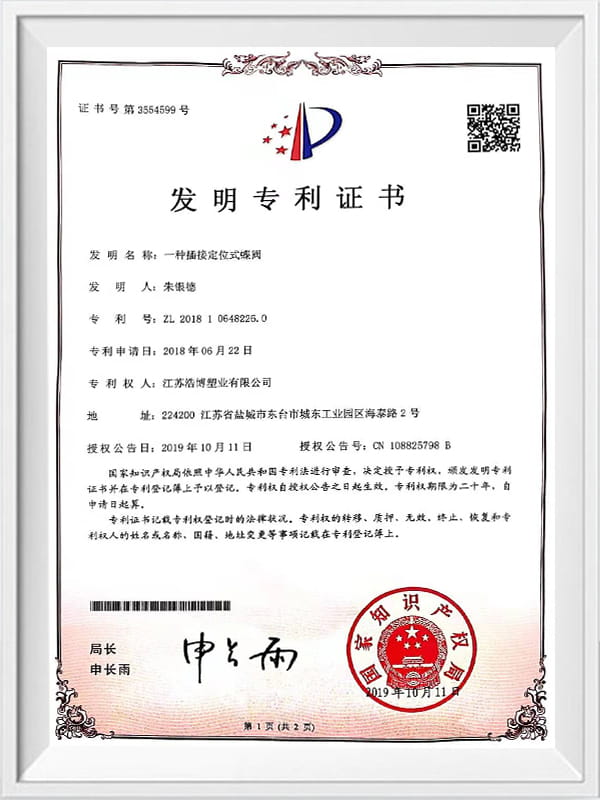
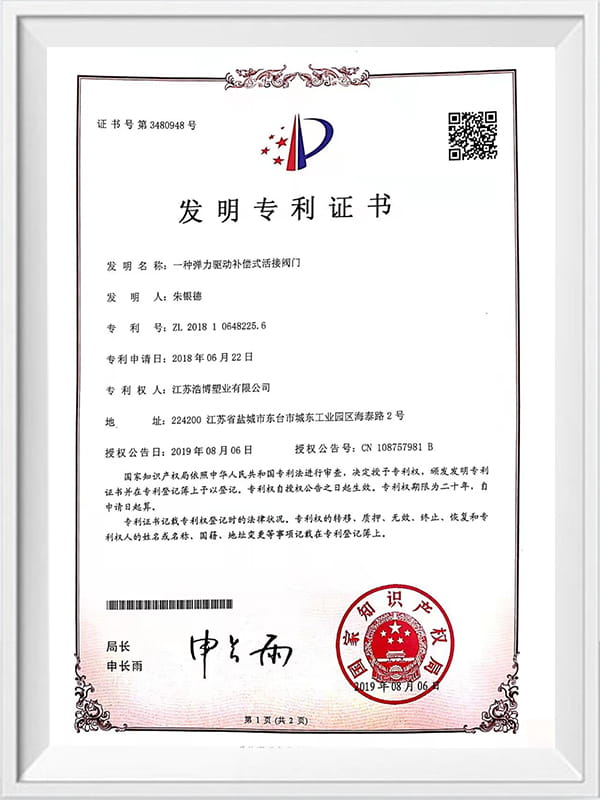
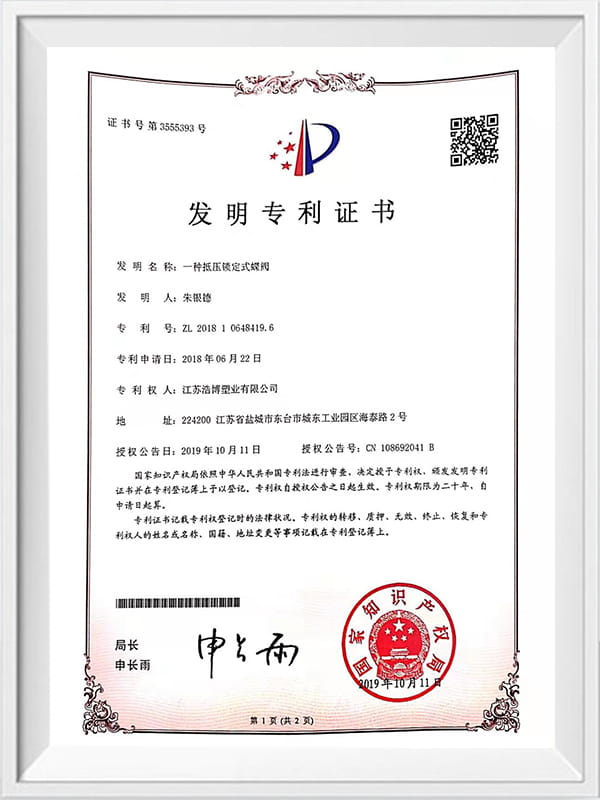
Odstávková četa v chemické továrně měla před restartem jeden úkol: vyměnit netěsné těsnění na ventilu dvanáct metrů uvnitř plně svařovaného potrubí PPH. Přeříznutí trubky znamenalo novou cívku, nový svar, čekání na chlazení a druhou tlakovou zkoušku, čtyři hodiny navíc podle plánu, aniž by byla žádná rezerva. Jed...
Zobrazit víceNákup plastového kulového ventilu dotazem "prodáváte je?" je to, jak projekty nakonec platí dvakrát. To, co ve skutečnosti rozhoduje o tom, zda plastový kulový ventil běží tiše po dobu pěti let nebo selže hned v prvním, je materiál tělesa, elastomer těsnění a způsob připojení tělesa ventilu k potrubí – nikoli jed...
Zobrazit víceDva montéři, jedna cívka po 2 v PVDF trubce a přepravka přírubových adaptérů DN 50. Vše dorazí podle plánu a nic nesedí: trubka měří vně 60,3 mm, zatímco adaptér je opracován pro vnější průměr 50 mm. Ani jeden štítek není špatný. Díly jednoduše patří do dvou různých systémů velikosti a IPS je ten, který zachytí v...
Zobrazit více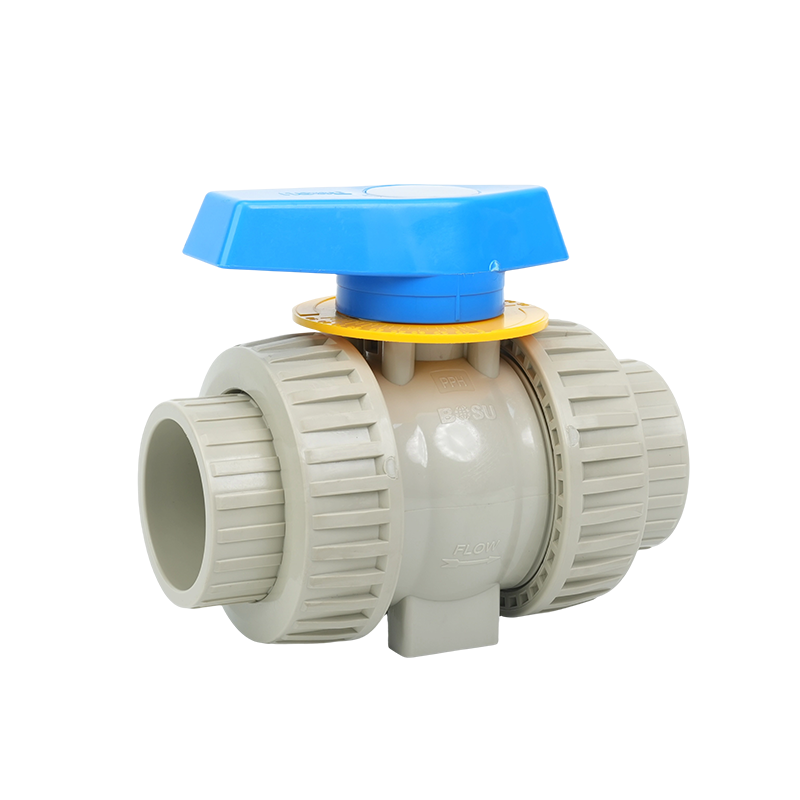
1. Vlastnosti produktu: Personalizovaná funkce indikace rukojeti, nainstalujt...
Zobrazit více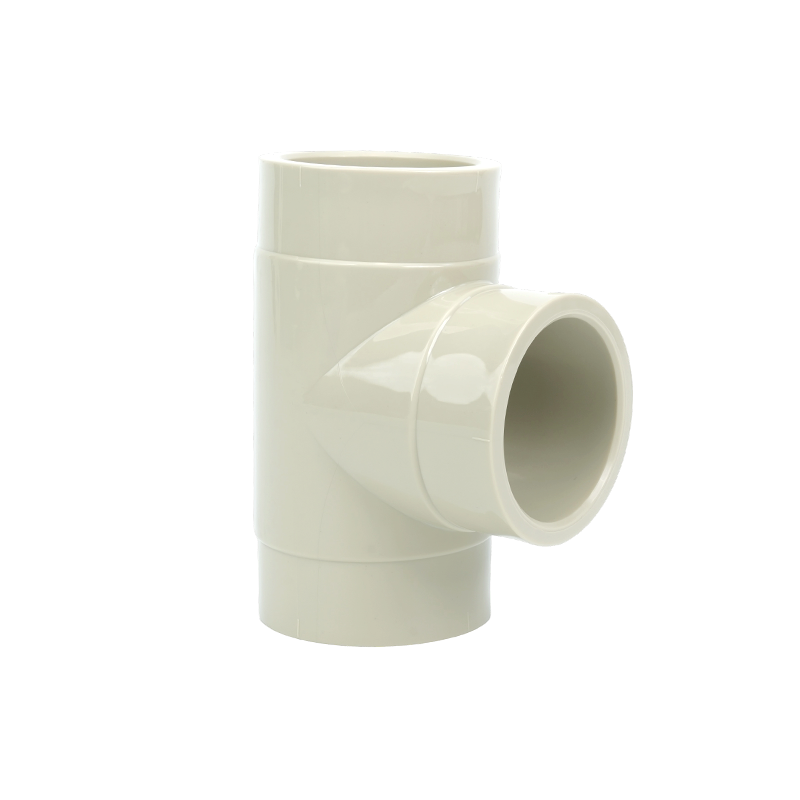
1. Vynikající konstrukce a výrazně vysoká rázová houževnatost. 2. Nízká hm...
Zobrazit více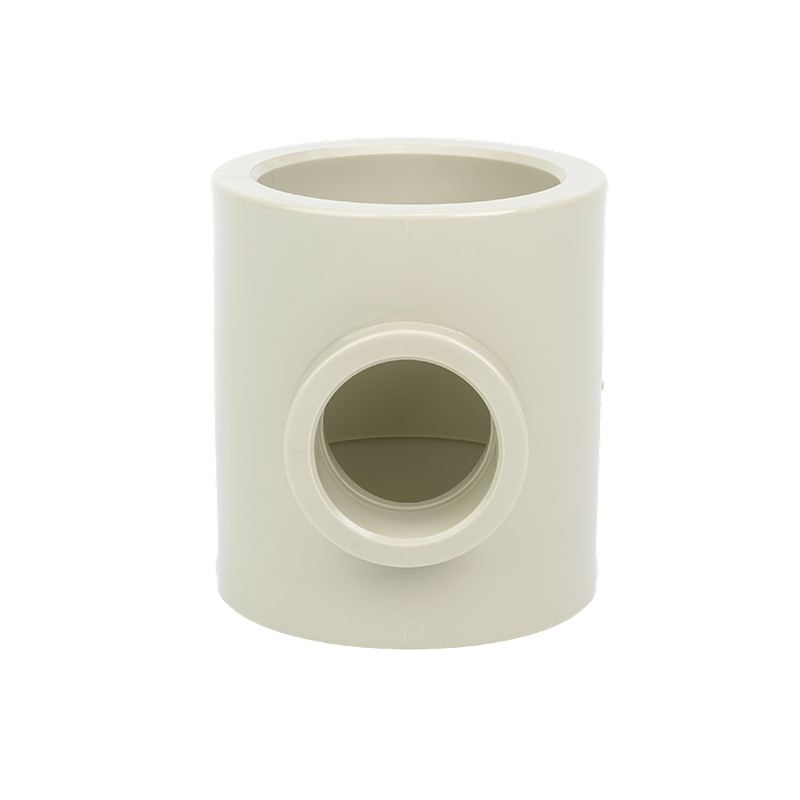
1.Tato tvarovka se používá k vytvoření odbočky z hlavního potrubí, což umo...
Zobrazit více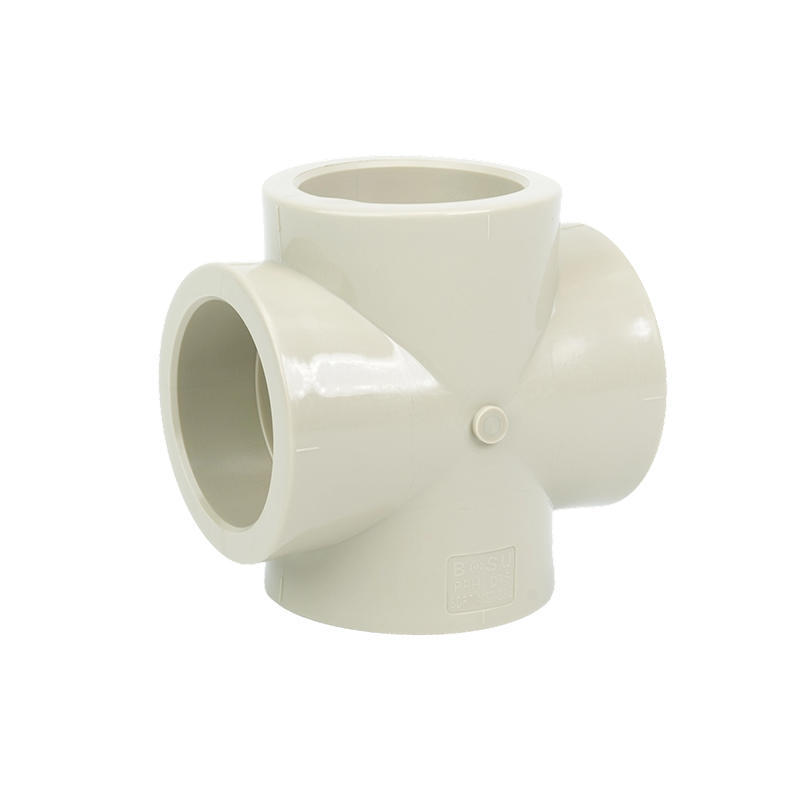
1. Slouží ke spojení čtyř kolmo se protínajících trubek stejného průměru. ...
Zobrazit více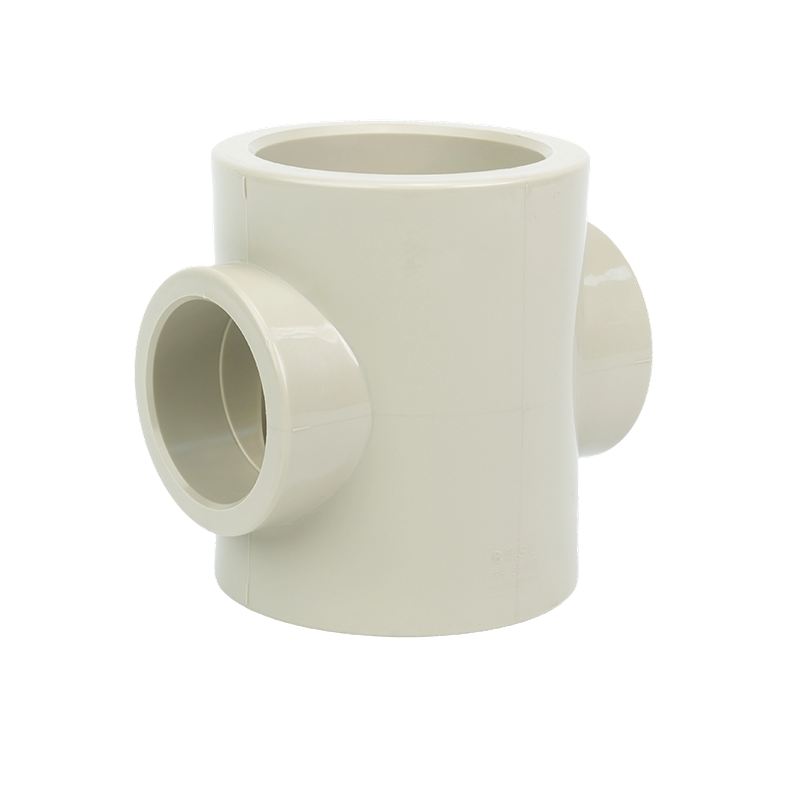
1.Slouží ke spojení čtyř kolmo se protínajících trubek různých průměrů. Sp...
Zobrazit více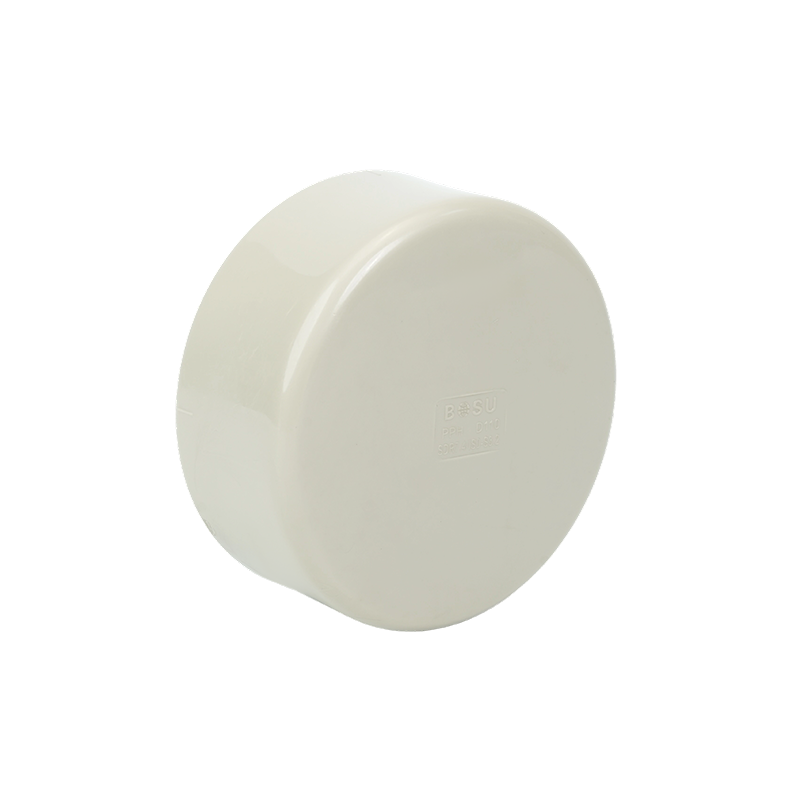
1. Trvanlivý, odolný proti korozi, lehký, používá se k utěsnění potrubí. Vhod...
Zobrazit víceWhat are the key points of installation and welding processes for β-PPH Fittings?
1. Surface Cleaning and Cut Quality
Before installation, oil, dust, and rust must be thoroughly removed from the surfaces of pipes and fittings to ensure a clean contact surface.
Pipe ends must be cut squarely using a specialized cutting tool to ensure a perpendicular, burr-free end face for optimal interlocking strength.
2. Selection of Appropriate Connection Method
For β-PPH materials, two methods can be used: hot-melt welding (electrofusion) or adhesive bonding. Hot-melt welding is the most commonly used process, achieving a leak-free and reliable connection.
3. Key Welding Process Parameters
Heating Temperature: Generally controlled between 210℃ and 230℃ to ensure the material is fully softened without thermal degradation.
Pressure Holding Time: Maintain pressure for 8–12 seconds after heating to allow the melt to fully fill and form a uniform weld.
Cooling: Allow to cool naturally for at least 30 seconds after welding to avoid rapid cooling that could cause internal stress.
4. Quality Inspection and Leak Prevention Measures
After welding, conduct an airtightness test (such as helium leak detection or hydrostatic test) to confirm there are no leaks before putting the pipe into use.
Inspect the weld for bubbles, cracks, or incomplete fusion; re-weld if necessary.
How to select the specifications of β-PPH Fittings based on media type, working pressure, and temperature?
1. Media Corrosivity
For corrosive media such as strong acids and alkalis, thicker wall fittings or corrosion-resistant β-PPH modified materials should be used to resist chemical attack.
For neutral or weakly corrosive media (such as pure water and steam), standard wall thickness fittings can be used.
2. Matching Working Pressure and Temperature
The long-term working temperature range of β-PPH pipes is -20℃ to +100℃, and the short-term maximum withstand temperature is 110℃. Increased temperature significantly reduces pressure resistance; the maximum working pressure (MOP) at 60℃ is approximately 50% of the nominal pressure. When selecting a pipe fitting, the design pressure (usually 1.25 times the highest working pressure) should be considered, along with a temperature correction factor, to ensure that the fitting does not exceed the material's pressure resistance limit under actual operating conditions.
3. Wall Thickness and Nominal Size
Select the appropriate nominal diameter (DN) and wall thickness (PN) based on the viscosity, flow rate, and system pressure drop requirements of the medium.
For high-pressure and low-temperature environments, PN16 and above with thicker walls are recommended; under normal temperature and pressure, PN10–PN12 is sufficient.
4. Influence of Installation Method on Selection
Hot-melt welding has relatively relaxed requirements on pipe wall thickness, but welding quality must be ensured; flange connections have higher requirements on pipe wall thickness and require matching with appropriate flange thickness and bolt specifications.
Produkty
Informace o společnosti
Adresa: č. 55 Haichuan Road, High-Tech Zone, Dongtai City, provincie Jiangsu, Čína
Mobil: +86 137 7009 5258
Tel: +86-515-85479999
E-mail: [email protected]
Rádi bychom slyšeli váš názor!
